
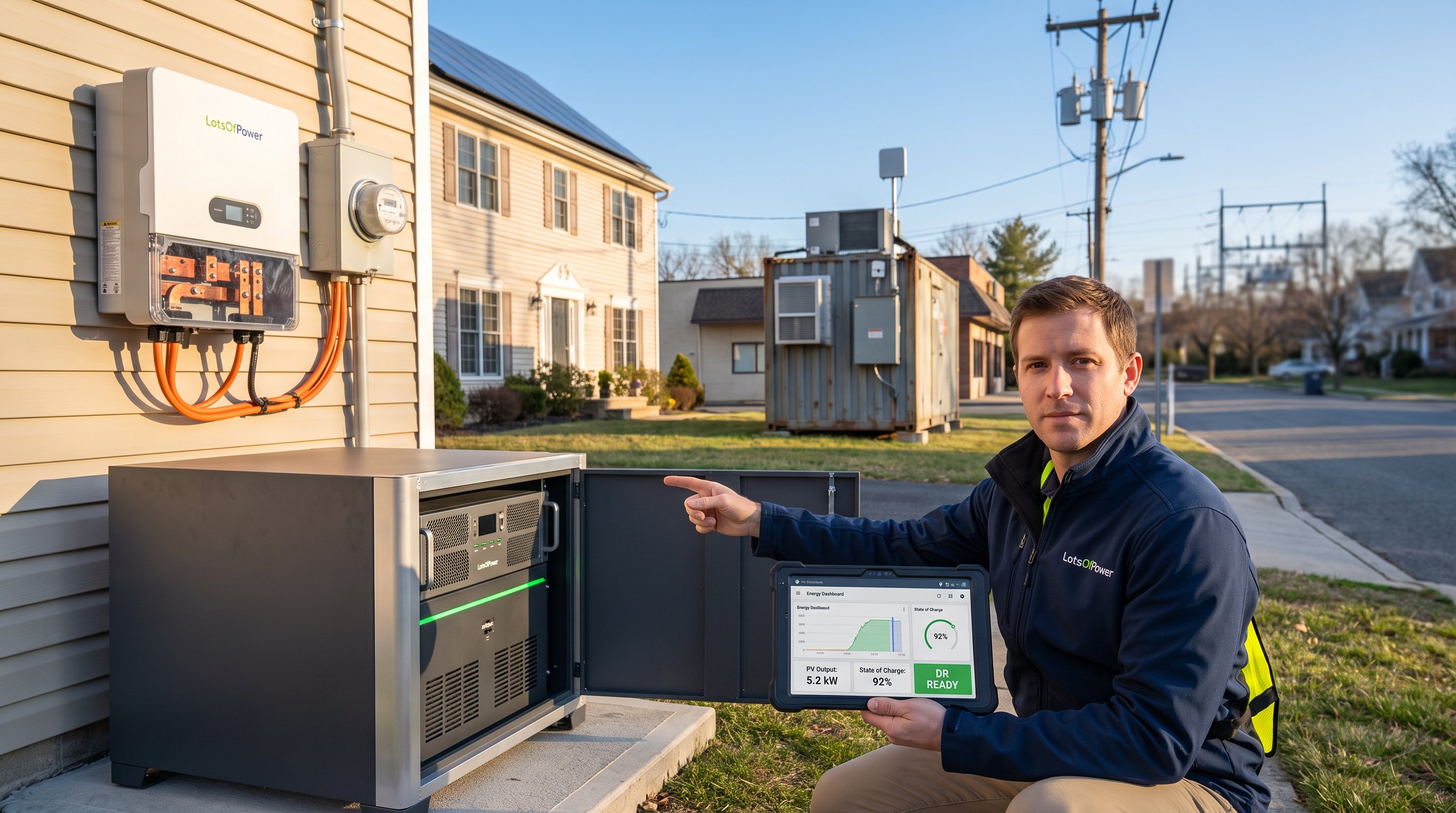
How LotsOfPower Covers Smart Grids and Modern Energy Distribution starts by tying grids to gaming reliability and competitive play. It explains why stable, efficient energy networks matter to players who rely on low-latency servers, uninterrupted streams, and event venues that can’t afford blackouts. This article gives focused, practical insights for gamers and venue operators: what LotsOfPower covers, the core smart-grid ideas the site explains, and the concrete steps gamers can take to reduce downtime and improve performance.
Key Takeaways
- LotsOfPower highlights how smart grids ensure stable, low-latency power crucial for fair and uninterrupted gaming experiences.
- The site explains core smart-grid concepts like distributed energy resources, advanced metering, and grid automation that support resilient gaming venues.
- Gamers can reduce downtime by using surge protection, appropriately sized UPS systems, and energy-efficient hardware as guided by LotsOfPower.
- Esports venues benefit from adopting battery storage, computerized maintenance management systems, and layered resilience plans to avoid power disruptions.
- Traveling gamers should choose venues near modern substations and leverage LotsOfPower’s advice on EV charging and portable power solutions.
- LotsOfPower bridges technical energy insights with practical steps, empowering gamers and venue operators to enhance performance and reliability through informed energy management.
Why Smart Grids Matter To Gamers And The Gaming Ecosystem
Fact: power stability and smart distribution directly affect gameplay, streaming, and esports operations. Gamers experience disrupted matches, corrupted save files, and jitter when local grids hiccup. Esports venues see lost ticket revenue and reputational damage when a regional brownout shuts down a LAN tournament.
LotsOfPower frames this reality with precise examples. It links grid resilience to lower packet loss at local data centers and to uninterrupted power for rigs and displays. The site cites how distributed energy resources, like rooftop solar plus batteries, can keep a small venue online during short outages. That matters: a 300-seat esports arena with a 200 kW peak draw can run critical systems for 45 minutes on a properly sized battery bank, enough to pause and resume matches safely.
Gamers should care because uptime equals fairness. Competitive integrity depends on consistent latency and power. For streamers, uninterrupted broadcasts preserve subscriber trust and monetization. For traveling players, LotsOfPower explains how regional grid performance influences venue selection and travel planning, choosing locations near modernized substations reduces the odds of event disruption.
How LotsOfPower Frames Its Energy Coverage: Editorial Angle And Topics
Fact: LotsOfPower mixes technical energy topics with gamer-centered practical guides. The editorial voice is systems-oriented and actionable rather than purely academic. It covers policy, hardware, and lifestyle angles so readers get both context and steps they can take.
The site breaks coverage into recurring themes: grid modernization, renewable integration, battery storage, charging for travel, and personal energy management. For technical readers, LotsOfPower links to career resources like certifications that matter in energy fields and operations. For example, articles reference pathways for power professionals and tools for maintenance teams, helping venues hire or vet local technicians. One recommended resource explains core credentials for power professionals in depth, making it easier for venue managers to recruit grid, power, professionals, growth, essential, certifications.
For venue operators focused on reliability, LotsOfPower explains asset management and maintenance software. The site’s coverage shows how computerized maintenance management systems improve uptime and reduce emergency repairs: this is explored in a practical guide to CMMS Software for Energy. These angles keep the coverage grounded for gamers who also run or manage events.
Core Smart Grid Concepts LotsOfPower Explains
Fact: understanding a few core concepts lets gamers translate infrastructure changes into real benefits. LotsOfPower focuses on distributed energy, advanced metering, automation, and storage as the building blocks of a resilient gaming ecosystem.
Distributed energy resources (DERs): LotsOfPower explains how small-scale solar arrays and behind-the-meter batteries work together. A concrete example: a 50 kW rooftop solar system paired with 150 kWh of battery capacity can shave peak demand for a mid-size LAN cafe by up to 40% during afternoon events, reducing utility demand charges and lowering blackout risk. Readers are guided to case studies that show those numbers in practice, including regional projects like Leeward Renewable Energy: Leading.
Advanced metering and demand response: the site clarifies how smart meters and demand-response programs let venues reduce load during grid stress. LotsOfPower outlines how shifting noncritical loads, like charging stations or temperature setpoints, during peak windows can avoid automated curtailments and save venue operators money.
Grid automation and control: LotsOfPower demystifies sensors, SCADA, and algorithms that keep distribution stable. It explains why automated fault detection shortens outage times from hours to minutes in modernized sections of the grid, and how that benefits nearby gaming infrastructure.
Renewable integration and storage: the site shows why storage is the linchpin. Batteries smooth solar output and provide short-term backup. LotsOfPower also examines financing models that make these upgrades feasible for venues and small businesses, including relevant reads on Redefining the Future.
How Coverage Translates Into Practical Advice For Gamers And Esports Venues
Fact: LotsOfPower turns theory into steps gamers can use immediately. For individuals and venues, the site lays out checklists, gear choices, and planning tactics.
For home gamers: advice centers on surge protection, UPS sizing, and energy-efficient components. LotsOfPower recommends estimating essential loads, PC, router, monitor, and selecting an uninterruptible power supply that covers them for 10–20 minutes to allow graceful shutdowns. It also profiles energy-efficient power supplies and cooling strategies that reduce draw by 10–30% compared with older components. Readers see practical product guidance and a how-to approach that avoids jargon.
For streamers and content creators: the site highlights redundant internet and power paths. It explains how dual-WAN routers and small backup generators or battery systems maintain live streams during grid blips. For venue managers: LotsOfPower advises creating a layered resilience plan, improve wiring and panel capacity, add localized storage, adopt CMMS for preventive maintenance, and ensure staff have verified contacts for certified electricians. A deep-dive on technician roles and skills appears in an article on How Modern Electricians Advance.
Travel and charging logistics: LotsOfPower helps gamers plan trips using venues with EV charging or reliable local grids. For portable power, the site evaluates solar and wireless charging options and explains practical limits: some analyses reference reporting on next-generation charging technologies to set realistic expectations about device runtime and recharge speed.
Conclusion
Insight: LotsOfPower treats energy infrastructure as part of the competitive gaming stack. It gives gamers and venue operators clear, evidence-backed choices, better gear, smarter planning, and partnerships with energy professionals, that reduce downtime and protect performance. The site’s mix of technical context and hands-on advice helps readers act now: size a UPS correctly, consider local battery backup, or demand venues publish their resilience plans. That makes gaming more reliable, fair, and future-ready.