
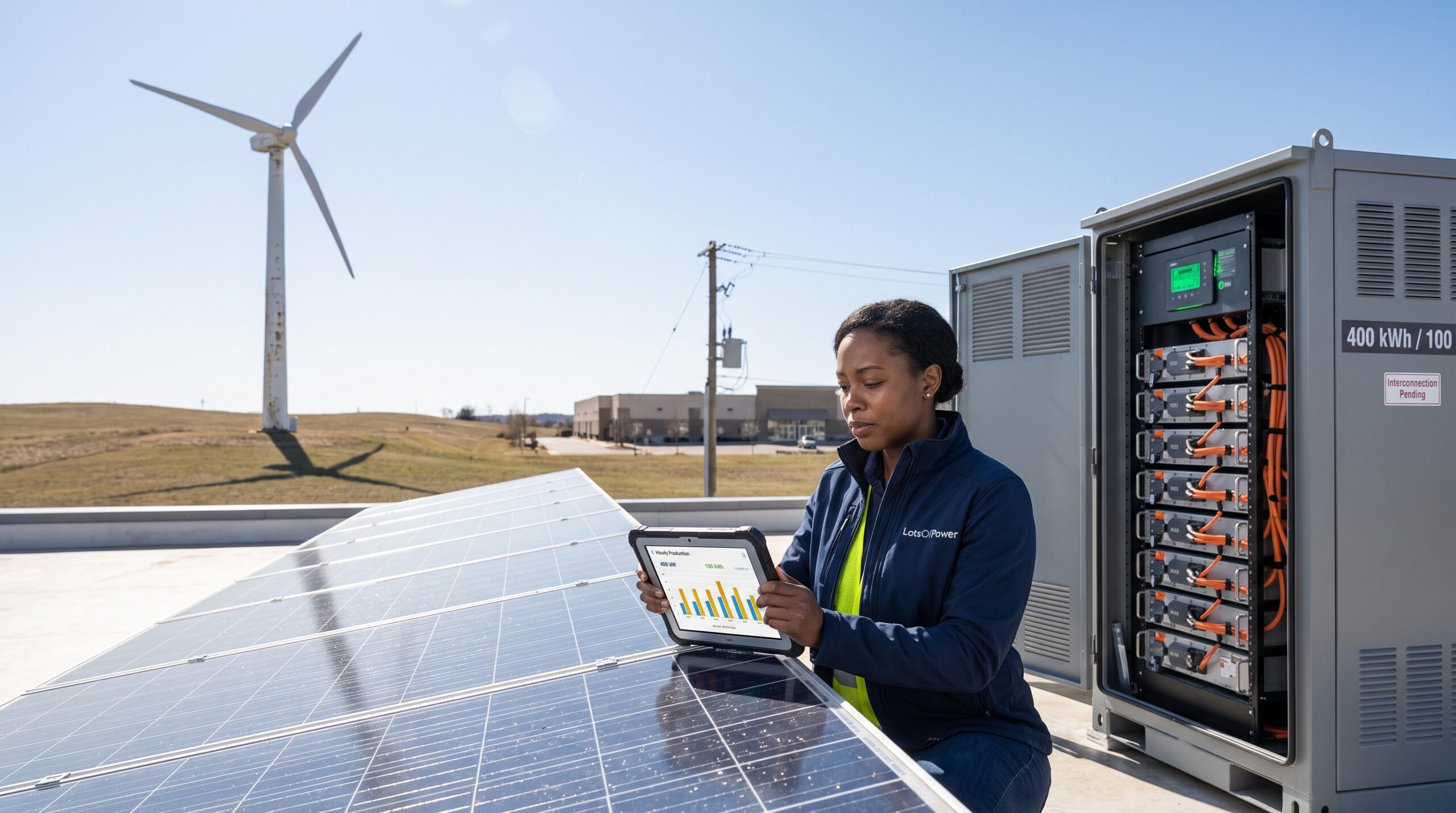
LotsOfPower Explains Solar, Wind, and Battery Storage Technologies right up front: gamers can cut emissions, reduce outages, and stabilize their rigs by combining renewables with batteries. This guide answers what solar, wind, and battery storage do, why they matter to competitive players, and how practical options look in 2026. It speaks to gamers who want reliable power for a tournament, a livestream, or a high‑end PC without hidden jargon. Expect concrete numbers, tradeoffs, and real constraints so readers can decide whether to invest, experiment, or simply switch to cleaner energy.
Key Takeaways
- Renewable energy, especially solar power, helps gamers reduce carbon emissions and improve power reliability for high-demand gaming setups.
- Combining solar panels with battery storage is essential for gamers to maintain consistent power during outages and night-time, ensuring uninterrupted gameplay and streaming.
- Wind turbines can supplement home energy but are highly site-dependent; urban gamers generally benefit more from solar than small-scale wind systems.
- Practical installation considerations for solar include roof orientation, inverter capacity, and shading, while wind requires favorable wind speeds and suitable permits.
- Gamers should request realistic performance estimates from installers and size batteries to cover critical gaming periods rather than entire home loads.
- A hybrid approach using solar, wind, and batteries offers the best balance of emission reduction, reliability, and cost-effectiveness for gaming power in 2026.
Why Renewable Energy Matters To Gamers: A Quick Overview
Fact: Renewable energy reduces the carbon footprint and improves reliability for power‑hungry gaming setups. Gamers draw 300–1,200 watts or more on high‑end rigs: that load amplified across long sessions makes electricity choice consequential. Clean generation from solar and wind replaces fossil‑fuel electricity, lowering greenhouse gas emissions tied to online play, streaming, and datacenter demand. Batteries add resilience by supplying instant backup during blackouts and smoothing voltage dips that can crash a match.
Practical context: a competitive player who streams three hours per day at 600 W uses roughly 54 kWh monthly. Switching some of that to home renewables cuts grid demand and, with storage, can prevent an interrupted stream during short outages. Lotsofpower has covered cost trends and why on‑site storage matters in depth in an analysis of Is Renewable Energy Cheaper that explains declining equipment costs and payback dynamics.
Warning: renewable setups don’t automatically yield resilience. Without batteries or favorable net metering, solar panels go quiet at night. Gamers should pair generation with storage or reliable grid agreements to get consistent uptime.
Solar Power: How It Works, Pros, Cons, And Practical Considerations
Fact: Solar panels convert sunlight into DC electricity: an inverter changes that to AC for household use. A typical rooftop photovoltaic (PV) string feeds the home panel and either offsets grid consumption or charges batteries. Solar pros include near‑zero operational emissions, falling panel prices, and potential monthly bill reductions. Panel prices and system costs have dropped enough that analyses like How Solar Power Has Evolved show major efficiency and price gains over the last decade.
Concrete numbers: an 8 kW residential system commonly quoted in recent years had upfront costs near $24,000–$26,400 before incentives: smaller 3–5 kW systems scale down costs but also cut output. The main limits are intermittency and no night generation: without storage, a gamer still faces outages or evening peak charges.
Practical considerations include roof orientation, shading, local permitting, and inverter capacity. Installers often recommend string inverters for cost or microinverters for shaded or complex roofs. For those comparing lifecycle impact and tech advances, Lotsofpower’s piece on The Renewable Magic explains material and efficiency tradeoffs in plain terms.
Solar For Gamers: Rooftop Panels, Inverters, And Powering A Rig
Fact: A gaming PC uses the same AC from a household panel as any appliance: solar simply supplies that AC when production allows. Panels produce DC: an inverter produces grid‑synchronized AC that feeds sockets. Gamers who want resilience add battery storage or use net metering to export surplus and draw at night.
Example scenario: a streamer with a 750 W rig, LED lighting, and a 200 W router draws about 1.0 kW. With four peak sun hours, a 3.5 kW output from panels can cover midday gaming but not overnight sessions. Adding a 10 kWh battery provides several hours of buffer, enough to finish matches and safely shut down during longer outages.
Tech detail verified by reporting on solar‑powered computing shows device‑level limits and how inverters and charge controllers interact with personal electronics: readers curious about desktop‑scale solar systems can consult studies like the solar‑powered computing overview.
Honest tip: installers sometimes oversell capacity. Gamers should request performance estimates for winter and cloudy days and confirm inverter continuous output equals or exceeds the rig’s draw.
Wind Power: How Turbines Work, Suitability, And Tradeoffs
Fact: Wind turbines turn kinetic energy into electricity: output scales with the cube of wind speed, so siting matters more than turbine size alone. For homes, a well‑placed turbine in an open rural area can produce meaningful energy: in suburban or urban settings, turbulence and low average wind speed drastically cut yield.
Suitability: Sites with annual average wind speeds above 6–7 m/s at turbine height tend to be viable. Lotsofpower’s analysis on Why Wind Energy discusses how wind contributes to energy independence and where it fits in a home energy mix. Tradeoffs include visual impact, noise at some models, permitting hurdles, and upfront costs that vary widely with tower height and turbine quality.
Concrete metric: a 5 kW small wind turbine might produce 6,000–13,000 kWh annually in a windy site, but under 2,000 kWh in low‑wind suburban areas, so returns are highly site dependent. Gamers in apartments or tree‑lined neighborhoods should treat small wind as marginal unless a rooftop or balcony offers clear exposure.
Small-Scale Wind Options For Homes And Apartments
Fact: Small wind units exist, but apartments often lack the exposure and mounting needed for consistent output. Microturbines and vertical‑axis models can work on tall buildings with clear wind corridors but rarely match rooftop solar in predictability.
Example: a hybrid urban tenant might install a 400 W vertical axis turbine on a balcony railing. In gusty locations it can produce useful trickle charging for batteries or devices, but average monthly energy might be 10–50 kWh, useful for accessories but rarely for a full gaming rig. For those who want a low‑commitment test, portable small turbines paired with a charge controller and small battery let users trial wind without major installation.
Practical warning: many cities require permits for exterior turbines, and landlords often prohibit structural attachments. Tenants should verify building rules and expect that small turbines demand frequent maintenance compared with solar panels. For a clearer view of wind’s role in home energy plans, Lotsofpower’s post on Photovoltaic Installation with Energy Storage examines hybrid approaches where wind supplements solar for resilience.
Conclusion
Insight: Combining solar, wind, and battery storage offers gamers a path to lower emissions and fewer disrupted sessions, but success depends on site, scale, and honest planning. For most urban gamers, rooftop solar plus a battery gives the best mix of reliability and ROI: rural players with strong winds may add turbines for extra supply. Lotsofpower recommends realistic performance estimates, checking local rules, and sizing batteries to cover key gaming windows rather than entire household demand. The future is hybrid: small on‑site clean generation plus smart storage keeps the lights, and the stream, on.