
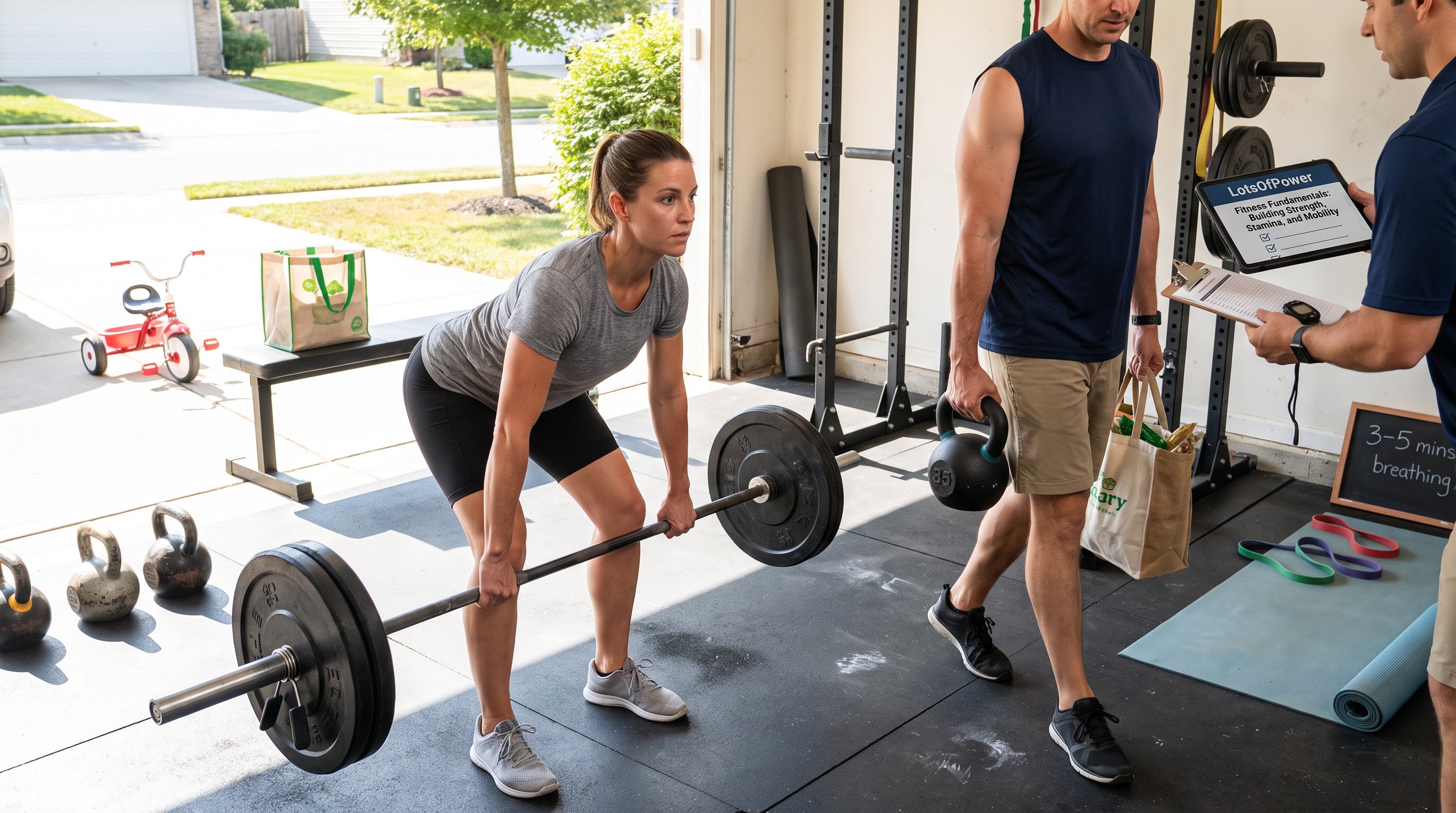
LotsOfPower Fitness Fundamentals: Build Strength, Stamina, and Mobility for Better Gaming (2026 Guide) lays out a concise, evidence‑based plan gamers can use to sharpen reaction, focus, and resilience. This guide explains why physical training matters for esports and long sessions, then gives practical strength, cardio, and mobility protocols that fit a busy schedule. Readers will find short routines, simple tracking tips, and honest warnings about common mistakes that slow progress.
Key Takeaways
- Prioritize fitness to enhance gaming reaction, focus, and long-term health through balanced physical training.
- Incorporate strength training with bodyweight or resistance-band exercises twice to three times weekly to improve muscle control and endurance.
- Use short, focused cardio sessions like 20-minute interval routines to boost stamina and maintain cognitive sharpness during extended gaming periods.
- Daily mobility drills combined with targeted strength work prevent posture issues and reduce pain from prolonged sitting.
- Follow a simple weekly plan balancing strength, stamina, and mobility while tracking progress with consistent metrics and prioritizing sleep for recovery.
- Avoid common mistakes like sporadic training or overemphasis on one fitness aspect to achieve better overall gaming performance.
Why Gamers Should Prioritize Fitness — Reaction, Focus, and Longevity
Regular exercise improves reaction time and attention, and it protects long‑term health for competitive and hobby gamers. Studies link both short workouts and consistent training to better executive function, aiming accuracy, and decision speed. For example, a 20‑minute cardio session raises blood flow and boosts focus for the next one to two hours, useful before a tournament match.
Beyond acute effects, consistent fitness reduces fatigue during multi‑hour sessions and lowers the risk of chronic pain from sitting. Gamers who pair training with sleep and recovery report steadier performance across a weekend of matches. That combination mirrors principles discussed in Building Physical Endurance: Key, which emphasizes practical stamina strategies for busy routines.
Common mistakes: gamers often train sporadically or focus only on cardio. A balanced approach that includes strength and mobility yields the best gains for reaction and durability.
Strength Training Tailored For Gamers
Strength training improves muscle activation for quick, precise hand and arm movements and supports posture during long matches. Short resistance sessions twice a week deliver measurable benefits for control and fatigue resistance. Heavier lifting isn’t required: consistent, progressive bodyweight and resistance-band work produces neural adaptations that speed responses.
Practical plan: aim for 2–3 strength sessions weekly, 20–30 minutes each. Focus on compound moves, push variations for the chest and shoulders, hip hinges for posterior chain stability, and core bracing for wrist and back support. Sleep quality amplifies strength gains, so prioritize rest as explained in Why Sleep Matters Just.
Warning: beginners often chase high volume and burn out. Progress by adding reps, sets, or resistance slowly over weeks, not days. Tracking small weekly improvements prevents stalled progress and keeps motivation high.
Sample Beginner Strength Routine (No Gym Required)
Start each session with a five‑minute dynamic warmup (arm swings, leg swings, hip circles). Then:
- Push‑ups: 3 sets of 8–12 reps (knees or full)
- Bodyweight squats: 3 sets of 10–15
- Glute bridges: 3 sets of 10–15
- Plank: 3 x 30–45 seconds
This routine targets upper limbs, hips, and core, the muscles that stabilize posture and control peripherals. If a gamer needs variety, resistance bands or light dumbbells add progressive overload without a gym trip. For troubleshooting stalled gains, Why Your Muscle-Building Routine.
Stamina And Cardio To Sustain Long Sessions And Tournaments
Cardio increases VO₂max and delays mental and physical fatigue during extended play. Ten to twenty minutes of focused activity raises oxygen delivery and cognitive sharpness, making it easier to maintain accuracy late in a match. Gamers who train cardiovascular fitness report fewer mid‑session lapses in decision making.
For efficient training, alternate moderate steady work with short high‑intensity efforts across the week. This balances recovery with stimulus and mirrors evidence that interval sessions can match longer steady workouts for fitness and cognition. Track perceived exertion and heart rate to ensure intensity is productive. Helpful resources discuss how to boost heart and lung fitness with targeted exercises in everyday schedules: Boost Your Cardiorespiratory Fitness for program ideas.
Practical warning: overdoing high intensity without recovery increases injury risk and sleep disruption. Keep one full rest day each week and monitor sleep and mood as recovery signals. Wearables and apps make tracking simple: for a modern overview of devices that help with training, consult a broad tech guide to fitness tools like the one in The Ultimate Guide to Health and Fitness Tech for 2025.
20-Minute Interval Cardio Routine For Energy And Recovery
A focused 20‑minute routine yields strong cardiovascular and cognitive returns without eating into practice time. Start with two minutes of brisk walking or easy cycling to warm up. Then complete four rounds of:
- 40 seconds high intensity (sprinting, fast cycling, burpees)
- 80 seconds active recovery (walking, easy pedal)
Finish with two minutes of cool‑down and gentle stretching.
This 1:2 work‑to‑rest interval improves VO₂max and leaves the gamer energized rather than spent. Repeat this routine 2–3 times per week on nonconsecutive days. If energy is low, swap one interval day for a light, 30‑minute walk. For stamina context and allied strategies, the article on Building Physical Endurance: Key Practices and Unexpected Allies – Lotsofpower offers complementary practices and recovery tools.
Mobility, Posture, And Injury Prevention For Desk Time
Good mobility reduces pain and preserves fine motor control. The core fact: mobility and posture work cut lower back pain and shoulder tension that degrade long sessions. Short daily drills restore range and reduce compensations that slow reaction.
Three practical drills (5–8 minutes total):
- Thoracic rotations: 10 each side to free the upper spine and improve shoulder tracking.
- Hip flexor stretch: 60 seconds per side to counter prolonged sitting.
- Scapular pull‑apart and wall angels: 10–15 reps to strengthen posture muscles.
If a gamer already feels persistent pain, the right time to resume or adjust activity matters: guidance on staged return is covered in The Right Time to. Practical warning: stretching alone won’t fix posture, combine mobility drills with targeted strength (glutes, mid‑back) to lock in improvements. Gamers who ignore posture often see recurring wrist, neck, and back problems that interrupt practice weeks or months at a time.
Weekly Plan, Progress Tracking, And Practical Tips For Gamers
A simple weekly plan balances strength, stamina, and mobility and fits around practice blocks. Core recommendation: three to five short sessions per week that add up to sustainable progress.
Example week:
- Monday: Strength routine (20–30 minutes)
- Tuesday: 20‑minute interval cardio
- Wednesday: Mobility and light active recovery (15 minutes)
- Thursday: Strength (alternate focus) + core (25 minutes)
- Friday: Light cardio or rest
- Saturday: Game day, pre‑match warmup and mobility
- Sunday: Rest and sleep prioritization
Track progress with two simple metrics: session consistency (checks per week) and small performance markers (extra rep, longer plank, faster interval time). For mental resilience and grit, strategies from Spartan Fitness: Building Resilience can help sustain habits under pressure.
Practical tips and honest lessons learned: many gamers overcomplicate tracking. Start with a calendar checkmark and one objective per week (add 5 seconds to a plank, shave 3 seconds off an interval). Sleep and recovery are nonnegotiable: read about sleep’s role in strength and recovery in Why Sleep Matters Just as Much as Reps for Strength Training – Lotsofpower. For nutrition questions or stalled gains, consult the guidance in Fitness Connection: Redefining Well-being.